

For consumer goods brands selling into the EU and the US, packaging design has quietly become one of the most complex disciplines in the business. Recyclability regulations are tightening, extended producer responsibility (EPR) fees are rising, and yet the packaging still has to do its original job: get picked off the shelf. This is no longer a vague "go green" conversation; it's a concrete engineering question. Every time a material, laminate structure, or color changes to meet a recyclability target, brand teams have to weigh the impact on brand recognition and the buying experience.
So what should exporters watch for in recyclable packaging rules when entering the EU and US markets? How does recyclable packaging actually differ from mono-material packaging? And what's really challenging brands about packaging design today? Here's what the industry conversation and the data show.
Let's explore this with BMP Group in the article below.
Why recyclability compliance is reshaping packaging design
In the United States, seven states have adopted extended producer responsibility laws for packaging, according to comments from the Consumer Brands Association reported by Packaging Dive. Once fully in effect, these programs are expected to cover close to one-fifth of the US population, each with its own recycling rates, definitions, and compliance deadlines. That means packaging teams can no longer design for a single national standard — they need a structure flexible enough to satisfy multiple, sometimes divergent, state requirements at once.
Ecomodulation is the mechanism driving this urgency. Under ecomodulation, brands that switch to more recyclable materials or formats pay lower EPR fees, while less recyclable packaging carries a cost penalty. In California alone, industry estimates cited in the same reporting put CPG compliance costs at well over two billion dollars a year once the state's program is fully implemented. In the EU, the Packaging and Packaging Waste Regulation (PPWR) sets a 2030 target for all packaging to be recyclable, with recyclability grades directly tied to producer fees.
Related read: What is EPR, and which businesses need to review their 2026 EPR obligations?
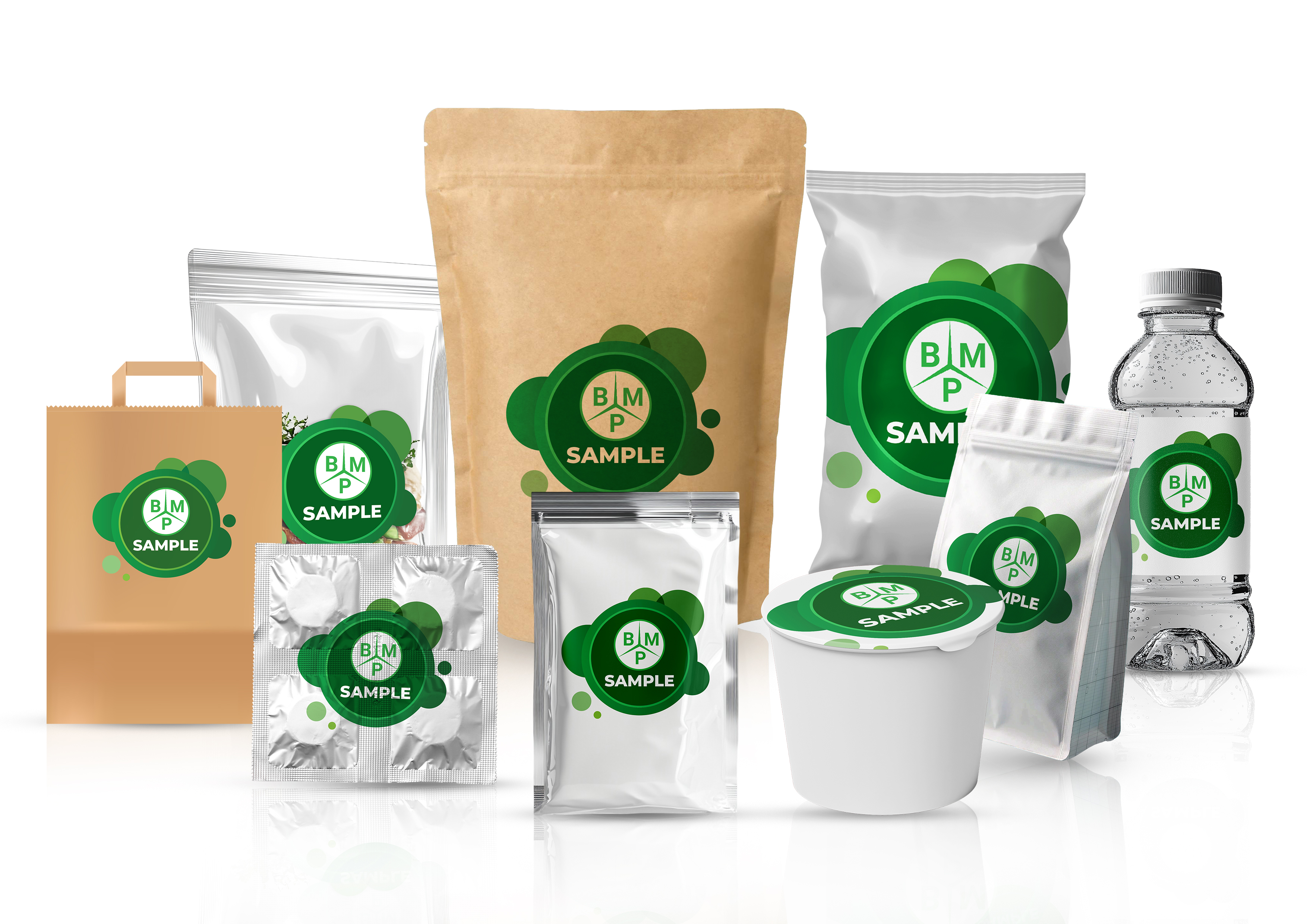
The real trade-off in recyclable packaging: material structure vs. shelf appeal
One frequently cited example illustrates the dilemma clearly: switching an iconic colored bottle to a clear, more easily sorted format can lower compliance costs but risks diluting the shelf-level brand recognition that color built over years. For flexible packaging, the equivalent trade-off happens at the structure level. Moving from a multi-material laminate — for example, a structure combining OPP/PET with a metallized or aluminum barrier layer — toward a mono-material structure designed for easier post-consumer recycling raises three practical questions:
- Does barrier performance against oxygen, moisture and light hold up, particularly for moisture- and oxygen-sensitive categories like coffee, dry snacks or pharmaceuticals?
- Does heat-seal strength and interlayer adhesion still meet the mechanical demands of shipping, stacking and shelf life?
- Can print quality and color fidelity on the new substrate still reproduce the brand's visual identity without a noticeable step down in sharpness or tone?
This is exactly why the "switch to recyclable" conversation cannot be separated from a packaging manufacturer's printing and structural engineering capability.

Where printing and lamination technology make recyclable packaging work
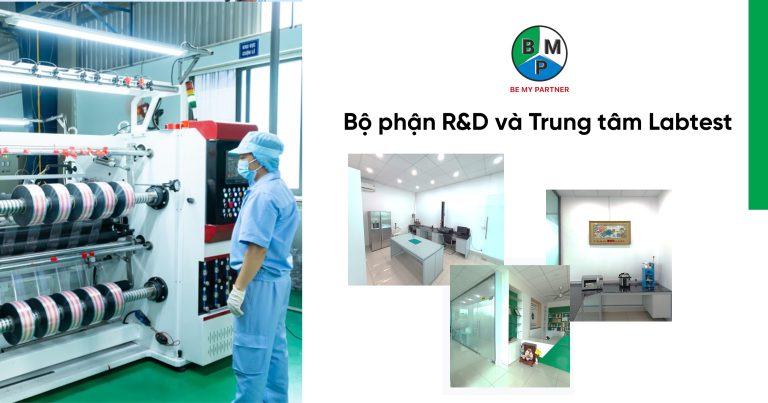
A flexible packaging manufacturer with a genuinely diverse print toolkit gravure, offset, and flexographic printing has more room to reproduce fine graphic detail, spot colors and surface effects on new material structures, rather than forcing a brand to simplify its design purely because of a print-technology ceiling. Solvent-free lamination adds a second lever: it reduces solvent residue in the finished pack while supporting the interlayer adhesion that mono-material or thinner-gauge structures need without adding an extra material layer that would undercut recyclability.
None of this can be assumed, though — it has to be validated. Tensile strength, elongation, coefficient of friction (COF), heat-seal strength, oxygen transmission rate (OTR), water vapor transmission rate (WVTR), drop testing and delamination resistance are the standard checks that confirm a new structure actually meets both the recyclability target and the product-protection requirement before it goes into full production.
5 basic steps to adopt recyclable packaging without major design trade-offs
- Define the recyclability target per export market - PPWR criteria for the EU, the specific state-level EPR rules for US destinations, or local standards such as Vietnam's QCVN for domestic sale.
- Audit the current material structure with your packaging manufacturer to assess whether a mono-material or higher-recycled-content structure is feasible for the product category.
- Test barrier and seal performance on the candidate structure to confirm shelf life and product protection are not compromised.
- Run real print and color trials on the new substrate and benchmark them against the existing brand identity before any launch decision.
- Pilot at limited scale to gauge consumer and retail response before committing to a full production changeover.
How BMP supports the shift to recyclable packaging
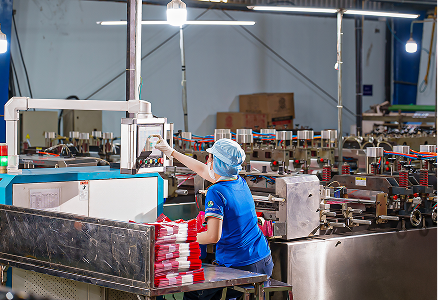
BMP is a flexible packaging manufacturer operating plants at VSIP IIA (Binh Duong) and Tan Phu Trung (Cu Chi), with an integrated three-in-one printing capability spanning gravure, offset and flexographic printing, plus solvent-free lamination technology. Principal certification systems shown on the company's official site include ISO 9001, ISO 15378, BRCGS Packaging Materials, ISCC PLUS and FSC®. With this manufacturing base, BMP can work alongside a brand's packaging development team during the structure-evaluation, print-trial, and technical-testing stages described above, as a manufacturing and technical partner, not a substitute for the brand's own legal compliance confirmation in each export market.

Contact BMP's team for technical consultation and a quote for your upcoming packaging project.
Contact Us
To explore tailored packaging solutions for your business:
- 1416 D1 Street, Phu Nhuan Residential Area, Phuoc Long Ward, Ho Chi Minh City, Vietnam
- (+84) 28 66 756 588