

Packaging today is present in almost every area of daily life, from food, beverages, pharmaceuticals and cosmetics to consumer goods and industrial products. However, before developing into today's modern packaging structures with multiple material layers, printing technologies and sophisticated designs, humans went through a long process of finding suitable ways to contain, preserve and transport goods.
From leaves, animal hides, pottery and glass to paper, metal and plastics, each stage in the development of packaging has been closely associated with the evolving needs for product preservation, transportation and trade.
Join BMP Group as we explore the history and development of the packaging industry in the article below.
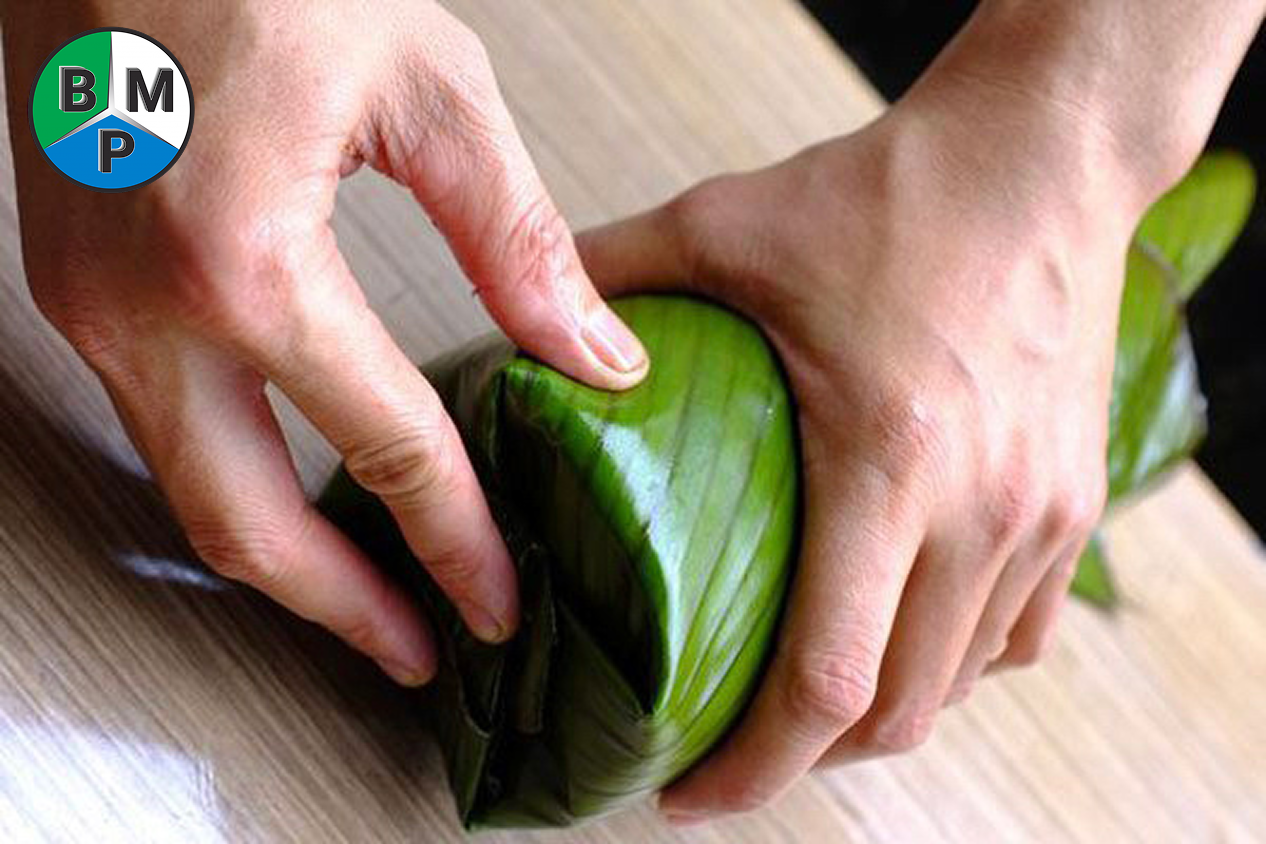
Natural materials such as leaves are considered among the earliest forms of packaging used by humans.
When Did Packaging First Appear?
The concept of packaging appeared very early, long before humans had industrial materials or modern production lines.
In ancient times, people used readily available natural materials such as:
- Leaves.
- Tree bark.
- Animal hides.
- Plant fibers.
- Bamboo and rattan.
- Wood.
These materials were used to make baskets, bags, containers and other forms of packaging for:
- Collecting food.
- Carrying goods while hunting and gathering.
- Storing seeds.
- Transporting goods.
At this early stage, the primary function of packaging was containment and transportation.
As the need to preserve food and other goods became increasingly complex, humans began searching for materials that could provide better product protection.
The Emergence of Pottery Packaging
Pottery represented an important advancement in the history of containers and packaging.
Compared with leaves or woven baskets, pottery could:
- Contain solid products.
- Hold liquids.
- Preserve food for longer periods.
- Be formed into various shapes.
Common forms included:
- Bowls.
- Bottles.
- Jars.
- Large storage vessels.
- Pots.
These gradually became common containers in everyday life.
However, pottery had several disadvantages, particularly its relatively heavy weight and vulnerability to breakage under strong impact.
Glass Packaging and Advances in Product Preservation
Following pottery, glass became another important material in the development of packaging.
Glass offers several properties that make it suitable for product containment, including:
- Impermeability.
- A relatively inert surface for many types of products.
- The ability to be formed into bottles and jars of various shapes.
- The potential for reuse or recycling within appropriate systems.
As a result, glass has been widely used in industries such as:
- Beverages.
- Food.
- Pharmaceuticals.
- Cosmetics.
Today, despite the emergence of many newer materials, glass bottles and jars are still used for products requiring specific aesthetic or preservation properties.
The Emergence and Development of Paper Packaging

The introduction of paper marked a new stage in the development of the packaging industry.
Compared with rigid materials such as pottery or glass, paper offers several advantages:
- Lower weight.
- Ease of transportation.
- Ease of converting.
- Good printability.
- Recyclability in many applications.
Over time, paper packaging developed into many different formats, including:
- Paper bags.
- Paper boxes.
- Corrugated cartons.
- Kraft paper.
- Paper laminated with other materials.
Combining paper with polymer films or other functional layers has also expanded the range of applications available for this material.
The Emergence of Metal Packaging
Metal also became an important material in the history of the packaging industry.
Materials such as:
- Iron.
- Steel.
- Tin.
- Aluminum.
were used to manufacture products such as:
- Cans.
- Containers.
- Drums.
- Specialized bottles or vessels.
One important advantage of metal packaging is its mechanical strength and ability to provide a strong protective barrier.
However, raw material costs and the weight of different metals can influence their suitability for particular applications.
Aluminum Packaging
Aluminum was initially expensive to produce.
As aluminum smelting and processing technologies improved, the material gradually became more widely used in packaging applications.
Today, aluminum can be found in many forms, including:
- Cans.
- Trays.
- Aluminum foil.
- Foil layers in flexible laminated packaging structures.
Plastic Packaging and the Rapid Development of Polymer Materials
Another major change in packaging history was the emergence of synthetic polymer materials.
The development of plastics gave the packaging industry more options in terms of:
- Flexibility.
- Formability.
- Low weight.
- Moisture resistance.
- Heat-sealing capability.
- Production cost.
- Printing and lamination capability.
Common materials used today include:
- PE.
- PP.
- PET.
- BOPP.
- CPP.
- PA.
Depending on their individual properties, these materials may be used independently or combined into multilayer structures.
From Single-Layer Packaging to Flexible Laminated Packaging
Advances in material technology enabled the packaging industry to move from relatively simple structures to multilayer systems.
One material may offer excellent mechanical strength but insufficient moisture protection, while another may provide strong gas barrier performance but may not be suitable for heat sealing.
As a result, different materials can be combined to take advantage of the properties of each layer.
For example, modern flexible packaging structures may combine:
- PET.
- BOPP.
- PE.
- CPP.
- PA.
- Aluminum foil.
- Metallized film.
These materials can then be combined into structures designed for specific requirements such as:
- Moisture barrier.
- Gas barrier.
- Heat resistance.
- Heat sealing.
- Mechanical strength.
- Print quality.
- Product appearance.

Modern packaging is produced from a wide range of materials and structural combinations.
Modern Packaging Does More Than Contain Products
In its earliest forms, packaging mainly served containment and transportation purposes.
Today, the role of packaging has expanded considerably.
A single packaging solution can perform several functions at the same time:
Product Protection
Packaging helps reduce the impact of:
- Moisture.
- Oxygen.
- Light.
- Dust and dirt.
- Impact.
- Other external factors.
Supporting Transportation
Packaging helps make products easier to:
- Stack.
- Store.
- Transport.
- Distribute.
Providing Information
Packaging may display:
- Product name.
- Ingredients.
- Expiration date.
- Instructions for use.
- Manufacturer information.
- Traceability codes.
Supporting Marketing
Color, shape and print quality can help a product:
- Attract attention.
- Communicate brand identity.
- Differentiate itself on the shelf.
Enhancing User Experience
Features such as:
- Zippers.
- Tear notches.
- Spouts.
- Stand-up bottoms.
- Valves.
can make packaging more convenient for users.
Packaging Classification Methods Developed Over Time
Alongside advances in materials and technology, packaging has also come to be classified according to a variety of criteria.
Classification by Function
Primary Packaging
Primary packaging directly contacts or contains the product and usually remains with it until it reaches the end user.
Examples include:
- Food pouches.
- Water bottles.
- Cosmetic containers.
Transport Packaging
Transport packaging is used to protect one or more products during:
- Storage.
- Handling.
- Transportation.
- Distribution.
Common examples include corrugated cartons and other shipping containers.
Classification by Physical Properties
Rigid Packaging
Rigid packaging is capable of maintaining a relatively stable shape under normal handling conditions.
Examples include:
- Glass bottles.
- Metal cans.
- Rigid plastic containers.
- Certain types of cartons.
Flexible Packaging
Flexible packaging can change shape according to the product or external forces.
Examples include:
- Laminated pouches.
- Plastic bags.
- Zipper pouches.
- Certain types of rollstock film.
Flexible packaging is widely used for products such as:
- Food.
- Powders.
- Grains and seeds.
- Beverages.
- Cosmetics.
- Personal care products.
Classification by Number of Uses
Single-Use Packaging
This type of packaging is primarily designed to complete a single product containment and distribution cycle.
Reusable Packaging
Some packaging structures are designed for multiple uses when technical and hygiene conditions allow.
Examples include:
- Transport crates.
- Bottles used in return systems.
- Industrial boxes or containers.
Reusability depends on the material, design and actual collection or return system.
Classification by Material

Wood Packaging
Wood is commonly used for:
- Crates.
- Boxes.
- Pallets.
One advantage of wood is its relatively good load-bearing capacity.
However, wood can be:
- Heavy.
- Moisture absorbent.
- Affected by insects or environmental conditions.
Metal Packaging
Metal packaging provides good strength and protection.
Common applications include:
- Food cans.
- Beverage cans.
- Storage vessels.
- Industrial packaging.
Paper and Corrugated Packaging
This material group is widely used because it is:
- Easy to print.
- Easy to form.
- Relatively lightweight.
- Recyclable under suitable conditions.
Depending on the application, paper may be:
- Laminated.
- Coated.
- Combined with other materials.
These treatments can be used to improve its functional performance.
Glass and Ceramic Packaging
These materials are commonly suitable for:
- Food.
- Beverages.
- Pharmaceuticals.
- Cosmetics.
Their advantages include rigidity and stability with many types of products.
Common disadvantages include:
- Relatively high weight.
- Risk of breakage under impact.
Textile-Based Packaging
Fibers such as:
- Jute.
- Hemp.
- Fabric.
- Synthetic fibers.
may be used to produce sacks for agricultural commodities or granular products.
Rattan, Bamboo and Woven Packaging
These traditional packaging materials may take forms such as:
- Baskets.
- Large woven containers.
- Trays.
- Gift baskets.
Today, these materials are still used in selected handicraft and gift-packaging applications.
Polymer and Composite Packaging
This category includes:
- Rigid plastics.
- Flexible films.
- Synthetic rubber.
- Polymer materials.
- Multilayer laminated structures.
This is one of the most diverse material groups in the modern packaging industry.
Classification by Source of Use
The original source also classified packaging into the following groups:
Packaging Used by Manufacturers
This refers to packaging used by manufacturers to contain and distribute their own products.
Packaging Used in Commercial Activities
This packaging is used for activities such as:
- Lot separation.
- Consolidation of goods.
- Transportation.
- Distribution.
This classification is mainly used from a management and goods-distribution perspective.
From Packaging History to Modern Packaging Trends

While the primary objective of packaging in the past was product containment, today's packaging industry is addressing increasingly complex requirements.
Smart Packaging
Packaging can incorporate technologies such as:
- QR codes.
- RFID.
- NFC.
- Sensors.
- Temperature or freshness indicators.
Production Automation
Modern machinery can support:
- Quality control.
- Higher production speed.
- Reduced variation.
- Process parameter monitoring.
Sustainable Packaging
Businesses are increasingly researching ways to:
- Reduce material use.
- Reduce weight.
- Develop more recyclable structures.
- Use mono-material solutions.
- Incorporate suitable recycled materials.
Personalized Packaging Design
Printing technology and data can help businesses develop multiple packaging variations for:
- Marketing campaigns.
- Limited editions.
- Different customer segments.
- Different markets.
What About the History of the Packaging Industry in Vietnam?
Two of the original source articles emphasized the “history of packaging in Vietnam”. However, their historical content mainly described the general development of packaging around the world, rather than providing enough Vietnam-specific milestones to build a complete historical timeline of the domestic packaging industry.
Therefore, this consolidated version does not present the emergence of glass, paper, aluminum or plastics as historical milestones specific to Vietnam.
From a present-day perspective, Vietnam's packaging industry has developed into a diverse manufacturing sector covering categories such as:
- Paper packaging.
- Corrugated packaging.
- Plastic packaging.
- Flexible packaging.
- Metal packaging.
- Packaging for specialized industries.
The industry's continued development is increasingly connected with technology, quality, market responsiveness and environmental requirements.
BMP Group and Its Investment in Packaging Technology Development
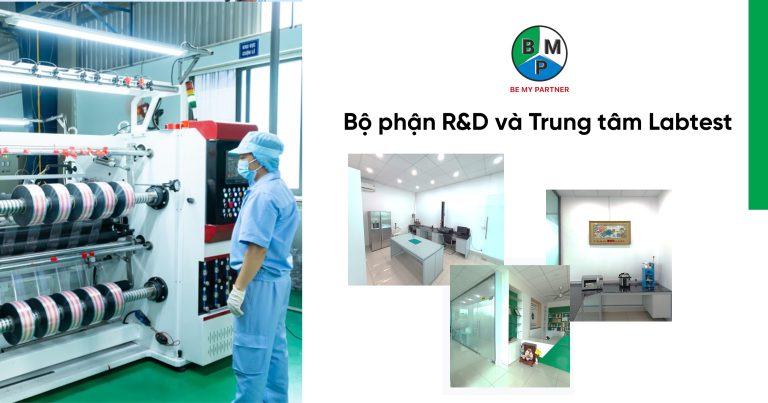
BMP Group focuses on strengthening its capabilities in flexible laminated packaging while investing in equipment and processes that support multiple stages of production.
Its equipment supports processes such as:
- Gravure printing.
- Film lamination.
- Coating.
- Slitting.
- Bag making.
- Inspection.

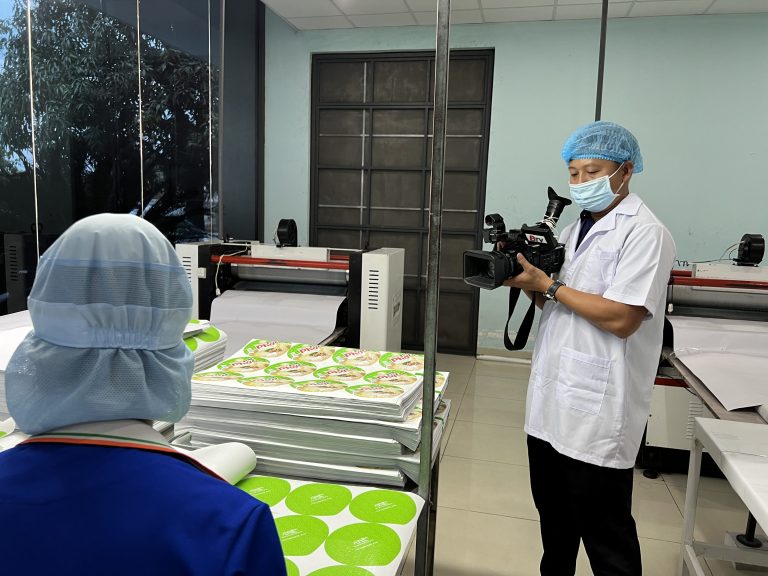
BMP Group packaging manufacturing facility.
In addition to equipment investment, BMP Group focuses on controlling:
- Raw materials.
- Production processes.
- Print quality.
- Finished product quality.
Certifications Achieved by BMP Group
According to information available in the two original source articles, BMP Group has achieved several certifications over the years:
- 2011: ISO 9001:2008.
- 2014: HACCP, GMP and food safety certification.
- 2017: ISO 9001:2015.
- 2020: BRC Issue 6.
- 2021: ISO 15378.
BMP Group should review this certification section before publication to ensure that the current versions and certification status are accurately reflected.
Contact BMP Group
If your business needs advice on material structures, packaging design or flexible laminated packaging solutions, contact BMP Group:
- Email: cdd.bmp@bmppack.com
- Hotline: (028) 66.756.588
The BMP Group team can provide consultation on packaging solutions that match your product characteristics and actual packaging requirements.
Conclusion
The history of packaging began with simple natural materials such as leaves, animal hides and woven baskets before progressing through pottery, glass, paper, metal and polymer materials.
Each stage reflects humanity's growing needs for better product preservation, transportation and trade.
Today, packaging is no longer simply a container. It has become part of manufacturing technology, brand identity, user experience and sustainability strategies.
The evolution from primitive containers to flexible laminated packaging, smart packaging and new materials demonstrates that the packaging industry will continue to evolve alongside technology and changing market demands.