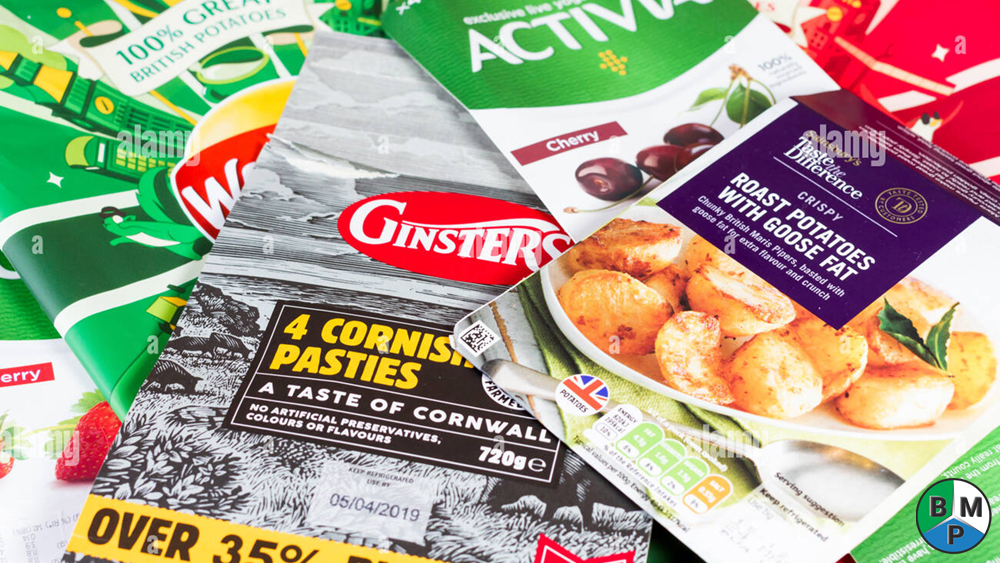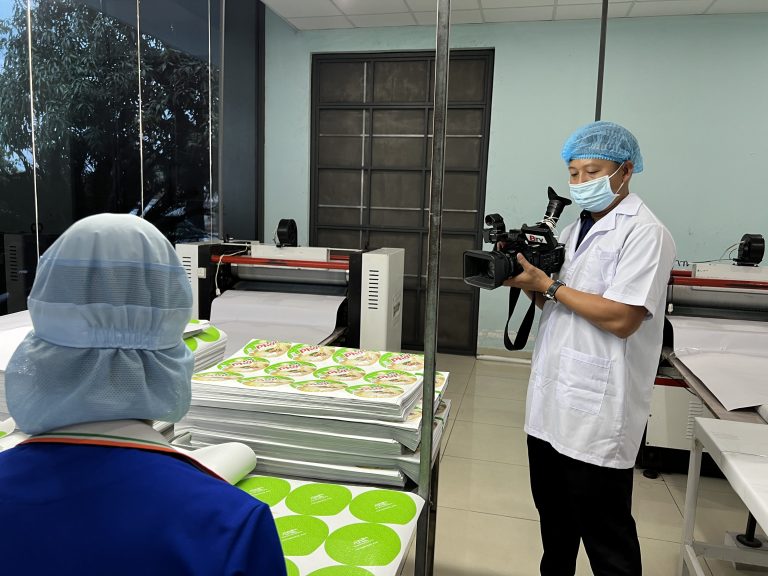


Cold towel packaging has become increasingly important in today's marketplace. It enables businesses to build a recognizable brand identity and distinguish their products from the many competing items available. In this article, BMP Group takes a closer look at cold towel packaging and its key characteristics.
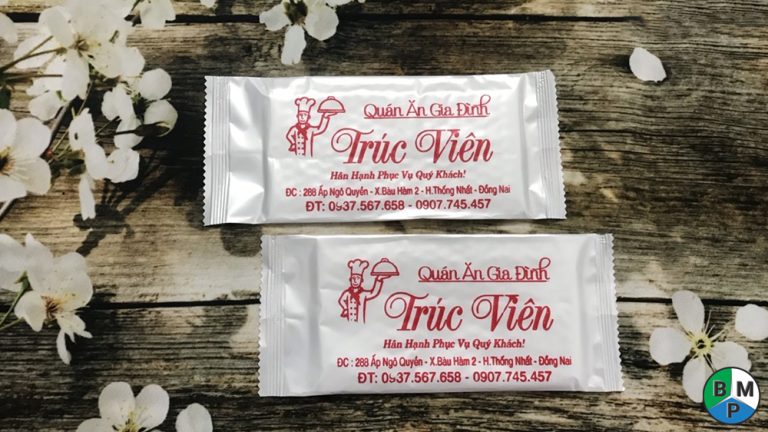
What Is Cold Towel Packaging?
Cold towel packaging is specially designed to store and protect cold towels, which are paper towels infused with a cooling and sanitizing solution. Commonly made from plastic or aluminum foil, this packaging offers resistance to water, moisture, bacteria, and oxidation. It can also feature printed designs, labels, individual wrapping, or multi-piece packaging. By helping cold towels remain fresh and clean, cold towel packaging extends their shelf life and makes them easier for consumers to use. It is therefore an important element in the commercial success of cold towel products.
You may also refer to: Tissue Paper Packaging: Materials, Structures, and Selection Criteria
Requirements for Cold Towel Packaging
Wet wipes are generally thicker and more durable than dry tissues. They are saturated with a solution composed mainly of water (over 90%), together with fragrances and other ingredients.
The combination of paper materials and moisture can create favorable conditions for microorganisms to grow. Preservatives may be added to the solution to control bacteria and mold, although certain ingredients may raise concerns about their effects on users' health.
For this reason, high-quality packaging is important for preserving wet wipes. Packaging for wet wipes should have the following characteristics:
Effective sterilization: Help eliminate bacteria and mold spores before the package is sealed.
High moisture resistance: Particularly against water vapor, helping reduce evaporation and retain moisture in the towels.
Thermal insulation: Help keep the wipes cool and limit the growth of mold and bacteria, if present.
Read more: 5 Common Plastic Packaging Materials and How to Choose the Right One
Materials and Composition of Cold Towel Packaging
Packaging for cosmetics and personal care products, including cold towel packaging, is widely used in restaurants, eateries, karaoke venues, hotels, and tourism services. Each cold towel is individually wrapped in clean, hygienic packaging featuring a clearly displayed brand name. This helps businesses present a professional image while giving customers greater confidence when using the product.
Laminated Composite Films
Laminated composite film, also known as laminated film, is a suitable choice when a single layer cannot deliver all the properties required for packaging. This type of wet-wipe packaging typically consists of at least three layers.
Premium cold towel packaging made from laminated films uses gravure printing to achieve vivid colors and attractive designs, alongside strong seals and good adhesion between layers. The materials are selected to meet hygiene and safety requirements for users.
Common material structures for cold towel packaging include OPP/MCPP and OPPMAT/MCPP.
The functions of the film materials used in laminated cold towel packaging are outlined below:
OPP film: Used as the outermost layer, OPP provides a printable surface for clear, detailed graphics. It also contributes to packaging durability and resistance to water and gas transmission.
MCPP film: This metallized CPP film (Metalized + CPP) enhances mechanical strength and improves resistance to gas and moisture penetration, helping preserve the product during extended storage.
Pearlized Film
Pearlized BOPP film is frequently used for wet-wipe packaging in restaurants, eateries, and hotels. It is relatively affordable, thin, and flexible, with a pearly white or milky-white appearance. Packaging made from this film offers durability, good elongation, and elasticity. Its appearance conveys cleanliness, while its strong ink adhesion supports effective printing. However, its ability to retain cold temperatures is limited, so the wet wipes inside may lose heat more quickly.
Dimensions and Specifications of Cold Towel Packaging
Cold towel packaging is an important part of manufacturing and marketing cold towels, which are paper towels containing a cooling and sanitizing solution. It protects the towels from external factors while displaying product details and brand information. Choosing appropriate dimensions, specifications, and materials is therefore essential.
Two common types of cold towel packaging are conventional single-layer film packaging and metallized laminated packaging. Conventional packaging is generally made from pearlized film, which has an opaque white or milky-white pearlescent finish and is relatively thin and soft. Metallized packaging usually consists of two or three layers, with a glossy or matte plastic outer surface and a metallized inner layer in some structures. Both types provide resistance to water, moisture, bacteria, and oxidation.
Various packaging dimensions are available to meet different business and consumer requirements. Common sizes include 19 × 18 cm, 19 × 20 cm, 20 × 20 cm, 20 × 24 cm, and 24 × 24 cm. Businesses can also order customized sizes to suit their specific needs. Other available formats include zip-lock bags, back-seal pouches, and side-seal pouches.
For printing product details and decorative graphics, gravure printing provides a solution that balances material compatibility, packaging format, print quality, and cost when the order meets the minimum production quantity. The machine can automatically print from one to ten colors, delivering clear and vibrant images.
Cold towel packaging contributes significantly to the success of cold towel products in the marketplace. Businesses should therefore carefully assess packaging dimensions, specifications, and materials before placing an order.
Functions of Cold Towel Packaging
Cold towel packaging is designed to preserve and protect cold towels, which are paper towels containing a cooling and sanitizing solution. Its main functions include:
Preserving product quality: Cold towel packaging helps keep towels fresh and clean while supporting their shelf life and quality. Common materials include plastic and aluminum foil, which can provide resistance to water, moisture, bacteria, and oxidation. This helps reduce moisture loss, contamination, and oxidation caused by exposure to air.
Improving convenience: Different sizes, formats, and packaging configurations accommodate a variety of consumer needs. For instance, zip-lock packaging can be reused several times, while individually wrapped cold towels are easy to carry on trips or business journeys.
Communicating brand identity: Cold towel packaging serves as an effective communication tool, allowing businesses to present product details, company information, quality certifications, and usage instructions. It also helps products stand out from competitors. Colors, images, logos, and slogans can be incorporated to create distinctive and appealing packaging designs.
Packaging functionality and quality are important considerations for businesses that manufacture and sell cold towels, as both contribute to the product's position in the market.
Learn more: International Certifications and Standards in the Printing and Packaging Industry
BMP Group – A Trusted Manufacturer of High-Quality Cold Towel Packaging
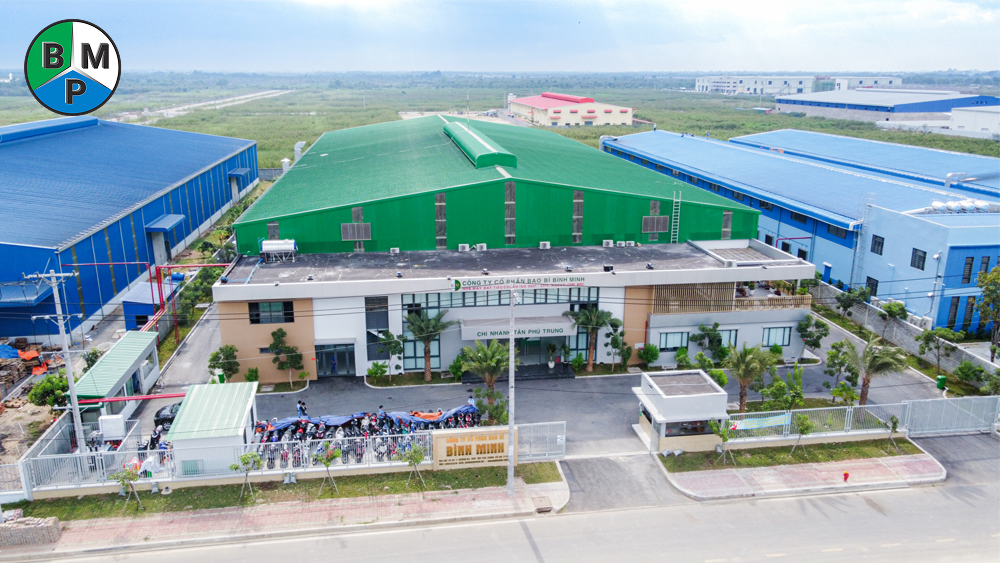
Businesses seeking a manufacturer of laminated flexible packaging for cold towels can contact BMP Group. With more than 15 years of development, BMP Group is one of Vietnam's leading manufacturers of flexible laminated packaging.
BMP Group operates three factories equipped with modern packaging production lines and machinery. With support from an experienced team of specialists, the company has a production capacity of more than 3,600 tons of packaging per month, focusing on consistent product quality.
BMP Group combines an experienced workforce with well-organized, modern manufacturing facilities and integrated printing and packaging production systems. These capabilities allow the company to help businesses develop packaging with high-quality finishes, eye-catching visuals, and strong competitiveness across diverse markets.

Throughout its development, BMP Group has achieved several milestones in its commitment to delivering quality products and timely service:
2011: Received ISO 9001:2008 certification.
2014: Received HACCP and GMP certifications for food safety.
2017: Received ISO 9001:2015 certification.
2020: Achieved BRC Issue 6 certification.
2021: Obtained ISO 15378 certification.
BMP Group supports customers from the initial concept through individual design samples, helping them create professional, visually appealing packaging that strengthens brand value and enhances the customer experience. Contact BMP Group for competitive quotations on flexible packaging through the following channels:
Email: sales@baobibinhminh.net
Hotline: (028) 66.756.588