

Plastic bags are widely used because they are lightweight, inexpensive, moisture-resistant, and convenient for shopping and transporting goods. However, when these products are used for only a short period before being discarded, they can generate substantial waste and place pressure on collection and recycling systems as well as the natural environment.
According to the OECD, the world generated approximately 353 million tonnes of plastic waste in 2019, more than double the 156 million tonnes recorded in 2000. After accounting for losses during waste treatment, only around 9% of plastic waste was actually recycled, while 19% was incinerated, nearly 50% was sent to sanitary landfills, and approximately 22% was improperly managed or leaked into the environment. Notably, packaging accounted for around 40% of global plastic waste because it is often designed for a short period of use.
Therefore, the key question is not simply whether plastic is harmful, but how plastic packaging is produced, used, and managed after disposal. Reducing unnecessary single-use products, reusing packaging where appropriate, designing products for recyclability, and improving waste collection systems are important ways to limit the harmful effects of plastic bags.
What Are Plastic Bags?
In common usage in Vietnam, the term “plastic bags” generally refers to thin plastic bags used for shopping, carrying goods, or packaging food. In practice, most of these bags are made from polyethylene (PE), such as high-density polyethylene (HDPE) or low-density polyethylene (LDPE), rather than nylon polymer in the technical sense.
PE bags offer several advantages, including:
Lightweight construction.
Flexibility and relatively good durability.
Water and moisture resistance.
Ease of mass production.
Low cost per unit.
These characteristics explain why plastic bags are so widely used. However, when billions of products with very short useful lives enter the market, the durability that makes plastic useful also becomes a challenge at the end of its life.
The Harmful Effects of Plastic Bags on Human Health
Older articles often claim that all plastic bags contain lead, cadmium, plasticizers, or carcinogenic substances. Such statements are not accurate.
Health risks depend on the type of polymer, additives, raw material quality, intended use, exposure conditions, and post-use handling.
Using Plastic Bags That Are Not Suitable for Food Contact
Food-contact packaging must be manufactured from materials that meet safety requirements for their intended applications.
The FDA explains that the assessment of food-contact materials must consider whether substances can migrate from packaging into food, the level of exposure, and the relevant toxicological data. This also demonstrates why it is not appropriate to conclude that all plastic packaging is either dangerous or completely safe without considering the material and conditions of use.
Consumers should therefore:
Avoid using plastic bags of unknown origin for food if they are not designed for that purpose.
Follow the manufacturer's temperature limits and usage instructions.
Avoid automatically reusing single-use packaging for hot or greasy foods, or for other purposes, if its original design is unsuitable.
Choose packaging manufactured for the specific food type and conditions of use.
Not All Plastics Contain BPA
A common misconception is that ordinary PE bags contain BPA.
BPA is primarily associated with certain applications involving polycarbonate plastics and epoxy coatings. It is not a default component of polyethylene, which is used to manufacture most shopping bags. Choosing safe packaging should therefore be based on the actual material rather than treating all plastics as identical.
Do Not Burn Plastic Bags or Plastic Waste Outdoors
One of the more clearly established health risks comes from uncontrolled waste burning.
The WHO states that open burning of waste can release various air pollutants that affect human health, including respiratory problems and other adverse effects. It recommends reducing waste generation, sorting, reusing, and recycling waste, while ending uncontrolled waste burning.
One common misconception also needs clarification: burning PE or PP does not automatically mean that large quantities of dioxins will be produced. Dioxins can form during incomplete waste combustion under certain conditions and with particular waste compositions, especially in uncontrolled waste-treatment systems. The WHO identifies uncontrolled waste incineration as a potential source of dioxin emissions resulting from incomplete combustion.
For this reason, people should not burn plastic bags or household plastic waste at home.
Microplastics Remain an Area of Ongoing Research
Plastic released into the environment can be affected by sunlight, heat, friction, and other conditions, causing it to fragment into microplastics and smaller particles.
However, caution is needed when discussing the direct health effects of microplastics originating from food packaging. The FDA currently states that there is insufficient scientific evidence to establish that microplastics and nanoplastics migrate from food packaging into food and beverages at levels that support a specific health-risk conclusion. This remains an area of ongoing research.
The Harmful Effects of Plastic Bags on the Environment
Persisting in the Environment and Fragmenting into Smaller Pieces
Many common plastics do not readily biodegrade under natural environmental conditions. Rather than disappearing quickly, they can persist and gradually fragment into smaller pieces.
Because degradation rates depend on the polymer, sunlight, temperature, humidity, and surrounding environment, it is not appropriate to state a fixed figure such as “plastic bags take exactly 500–1,000 years to decompose.”
A more accurate description is that many types of plastic can remain in the environment for a very long time and fragment into microplastics instead of completely biodegrading within a short period.
Leaking into Rivers, Oceans, and Ecosystems
The OECD estimated that approximately 22 million tonnes of plastic leaked into the environment in 2019, much of it associated with improperly managed waste.
In Vietnam, a 2022 study by the World Bank estimated that approximately 3.1 million tonnes of plastic waste are generated on land each year, with at least 10% at risk of entering the ocean. The World Bank also identified many single-use plastic products, including plastic bags and food containers, as significant contributors to plastic pollution in Vietnam.
Harm to Animals
Plastic products discarded into the environment can threaten animals through ingestion, entanglement, or contact with plastic fragments.
As plastic breaks down into smaller particles, collection becomes increasingly difficult. Preventing plastic waste from escaping into the environment at the source is therefore generally more effective than attempting to recover it after it has spread widely.
Blocking Drainage Systems
Plastic bags and solid waste discarded improperly can accumulate in drains and drainage networks.
The WHO notes that inadequate waste collection can cause environmental pollution and block drainage systems, contributing to stagnant water and increasing certain sanitation and public health risks in urban areas.
Increasing Pressure on Collection and Recycling Systems
Thin plastic bags often have low material value, are lightweight, and can easily become contaminated. As a result, collecting, sorting, and recycling them may be less economically attractive than handling some rigid plastic products.
This is why promoting recycling alone is not enough to solve the entire problem.
UNEP emphasizes that tackling plastic pollution requires a whole-life-cycle approach, including reducing unnecessary products, extending product lifespans, developing reuse models, improving product design, and strengthening waste management.
You may also be interested in: Environmentally Friendly Food Packaging: Materials, Trends, and How to Choose
What Happens When We Change Our Plastic Bag Usage Habits?
Changing consumption habits can reduce the number of single-use bags that need to be manufactured, transported, and managed after disposal.
Reducing Single-Use Packaging
When consumers bring reusable bags instead of accepting a new bag every time they shop, the amount of single-use packaging can be reduced at the source.
This is the Reduce step, which is prioritized before recycling in the waste management hierarchy.
Extending Product Lifespans
Using a bag multiple times distributes the environmental impacts of its production across more uses.
However, this benefit is meaningful only when the bag is actually reused enough times.
UNEP points out that paper bags, cotton bags, and other alternatives also have environmental impacts during manufacturing. They are not automatically better than PE bags across every environmental indicator; the outcome depends significantly on the number of reuses and the product's entire life cycle.
Reducing the Risk of Plastic Waste Leakage
Using fewer bags means less waste needs to be collected, sorted, and treated. This can reduce the risk of bags being littered or escaping into the environment.
This is also why UNEP notes that, for many consumer products, the issue of being “single-use” can sometimes be more important than focusing exclusively on the word “plastic.”
Measures to Reduce the Harmful Effects of Plastic Bags
No single solution can address the entire plastic waste problem. Better results come from combining several measures.
Apply the Reduce–Reuse–Recycle Model
Reduce – Minimize consumption
Avoid taking or using bags when they are unnecessary. Businesses can reduce excessive packaging and optimize packaging dimensions and material usage.
Reuse – Use products again
Durable bags can be reused for the same or other suitable purposes. Reuse helps reduce demand for newly manufactured bags.
Recycle – Recover materials
When a product can no longer be used, it should be sorted and sent to an appropriate collection system if a recycling stream for that material is available locally.
Recycling is necessary, but it should not be regarded as the only solution. According to UNEP, an effective strategy must combine waste prevention, reuse, and improvements to recycling systems throughout the plastic life cycle.
Use Alternative Bags When Appropriate
Possible alternatives include:
Durable, reusable PP or PE bags.
Fabric bags.
Paper bags.
Baskets or woven bags.
Returnable and reusable container or bag systems.
However, simply replacing all plastic bags with paper bags should not be regarded as a complete solution.
UNEP explains that paper and cotton bags also require raw materials, energy, water, and other resources during production. The most appropriate option depends on the intended use, the number of reuses, and the end-of-life management system.
Avoid Taking New Bags When They Are Unnecessary
Several simple changes can make a difference:
Bring existing bags when shopping.
Decline bags for items that can be carried directly.
Combine multiple products in one bag.
Use personal containers or bottles where appropriate.
Choose refill products or larger package sizes when doing so genuinely reduces packaging use.
Sort Waste Correctly
Bags containing food, liquids, or other contaminants are often more difficult to recycle.
Sorting waste at the source helps to:
Prevent contamination of recyclable materials.
Improve the quality of recovered materials.
Reduce the amount of waste requiring final disposal.
Support more efficient collection operations.
Do Not Burn Plastic Waste Yourself
Open burning is not an appropriate waste-treatment method.
The WHO recommends ending uncontrolled waste burning and prioritizing waste reduction, sorting, reuse, and recycling to limit adverse effects on air quality and public health.
Reducing consumption, reusing products, and sorting waste correctly are generally more effective than simply replacing one type of single-use plastic bag with another single-use packaging alternative.
What Can Businesses Do to Reduce the Impact of Plastic Packaging?
Responsibility for reducing waste does not rest solely with consumers. Businesses can make a difference from the product design stage.
Important approaches include:
Reducing material thickness while still meeting technical requirements.
Optimizing packaging dimensions.
Eliminating unnecessary layers or components.
Designing for reuse where appropriate.
Considering mono-material structures or materials that are more compatible with recycling streams.
Minimizing colors, additives, or components that complicate recycling where feasible.
Determining the actual moisture-barrier, gas-barrier, and shelf-life requirements to avoid excessive material use.
Testing new structures on actual production lines and products before implementation.
The important consideration is not to compromise product protection without careful evaluation. For food products, packaging that does not provide adequate protection can increase spoilage and food waste, creating additional environmental impacts.
Read more: Desiccant Packaging: Materials, Structure, and Selection Criteria
Is Plastic Packaging Always Bad for the Environment?
Plastic offers various technical advantages, including low weight, barrier properties, heat-sealing capability, and low material consumption per packaged unit. In some applications, these characteristics can reduce transportation loads and help prevent product damage.
Conversely, plastic becomes a major problem when:
Packaging is designed to be used for only a few minutes before disposal.
More material is used than necessary.
The structure is difficult to recycle.
Appropriate collection systems are unavailable.
Waste is released directly into the environment.
Therefore, the solution is not simply to “eliminate all plastic.”
UNEP recommends evaluating products across their entire life cycle. For shopping bags, alternatives such as paper and cotton also have their own environmental footprints and do not necessarily outperform plastic across every indicator.
A more appropriate approach is to reduce unnecessary single-use products, select the right material for the intended function, and create conditions that keep materials in the economy for as long as possible.
Read more: EU PPWR Regulations on Packaging and Packaging Waste: Key Points to Know
BMP Group and Its Approach to Optimizing Laminated Flexible Packaging
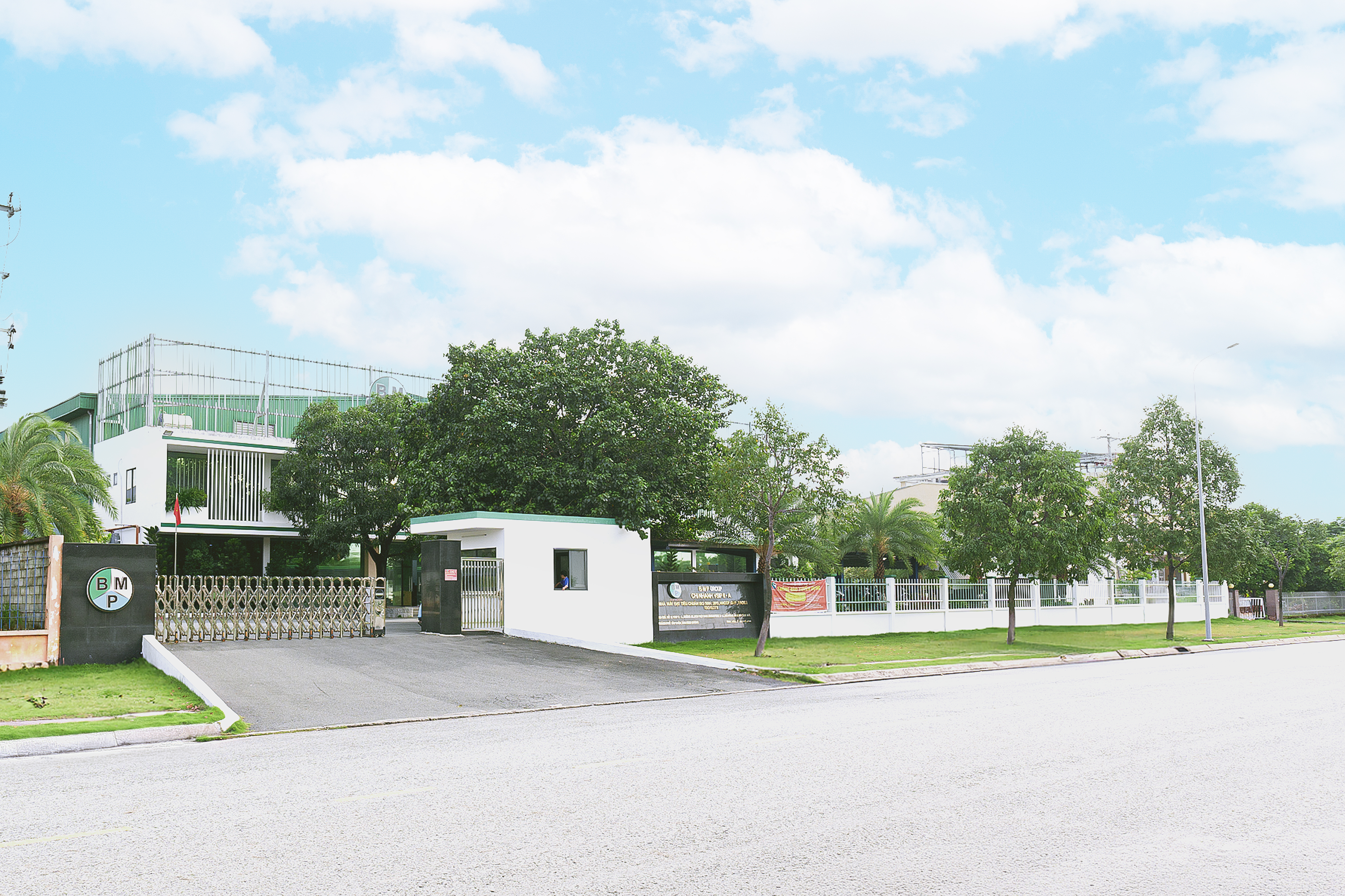
BMP Group currently focuses on manufacturing laminated flexible packaging for industries such as food, confectionery, agricultural products, seasonings, and various other product categories.
Flexible packaging can combine multiple material layers to meet requirements for:
Moisture barriers.
Gas barriers.
Light barriers, depending on the structure.
Aroma retention.
Mechanical strength.
Heat sealing.
Printing and product presentation.
However, multilayer laminated packaging can also present recycling challenges when its component materials are difficult to separate. Sustainable development objectives must therefore consider product protection, material consumption, and end-of-life management options together.
BMP Group's production system supports the following processes:
Gravure printing.
Lamination.
Slitting.
Pouch making.
Product inspection.
According to the available information from BMP Group, the company has obtained the following certifications at different stages:
2011: ISO 9001:2008.
2014: HACCP, GMP, and food safety certification.
2017: ISO 9001:2015.
2020: BRC Issue 6.
2021: ISO 15378.
Rather than automatically labeling a material as “green” or “not green,” businesses should select packaging solutions based on product characteristics, preservation requirements, necessary material quantities, and the collection and recycling conditions in the markets where the packaging is used.
Email: cdd.bmp@bmppack.com
Hotline: (028) 66.756.588