

Note: This article is for reference purposes only. BMP Group currently focuses exclusively on the production of laminated flexible packaging, kraft paper, and coated paper.
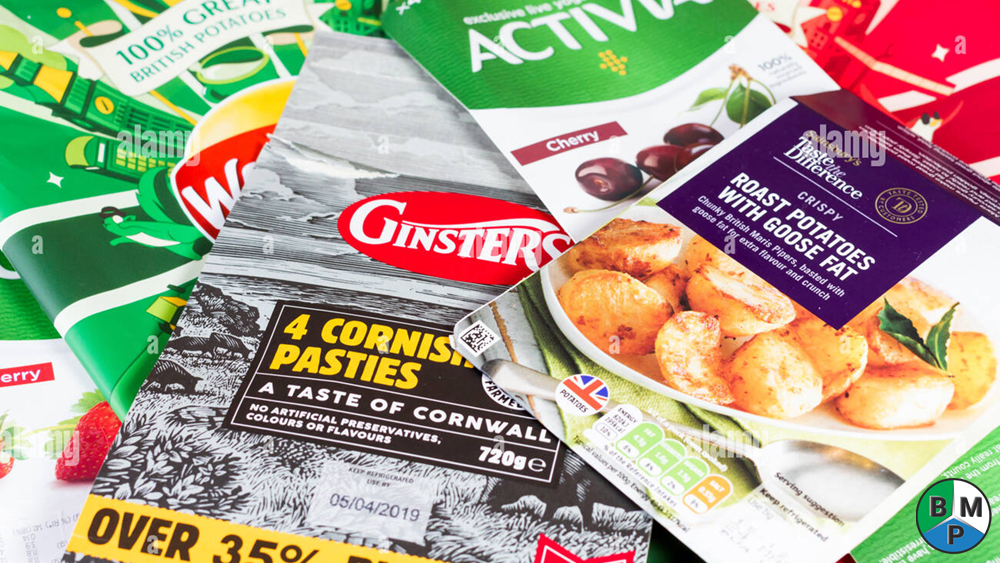
Today, single-use cups and plastic packaging can be found everywhere, from modest street-side eateries to upscale establishments. The use of plastic packaging and disposable cups is becoming increasingly difficult to control. This creates numerous harmful effects on both human health and the environment.
This article explores the harmful effects of single-use plastic packaging on human health and environmental pollution. It also introduces innovative packaging alternatives that offer convenience while helping ensure greater safety for users and the environment.
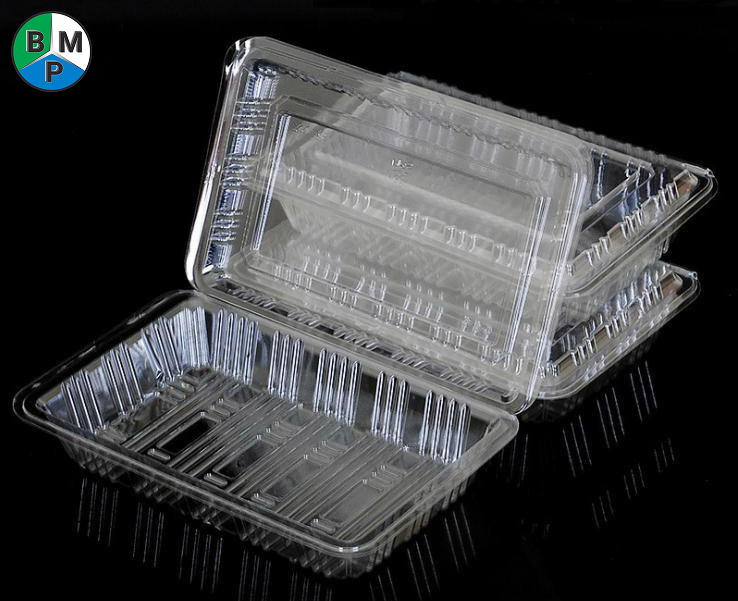 What are the harmful effects of single-use packaging?
The Harmful Effects of Single-Use Plastic Packaging
Single-use plastic products are increasingly used by consumers and roadside food vendors because of their convenience. However, one important concern when using these products is the materials from which they are made.
Scientists at the Vience Medical University have reportedly discovered various types of microplastics in human waste. They hypothesized that people may have ingested microplastics through seafood, dust, food packaging, or plastic bottles.
Read more: Safe Food Packaging
As we know, plastics commonly used to manufacture disposable food containers and utensils include PP plastic (plastic containers and spoons), PE plastic, PS plastic (foam containers), PVC plastic, and PET plastic. Plastic is a high-molecular-weight compound and is generally considered chemically and biologically inert.
However, unreacted monomers and small oligomers may still be present in the material because polymerization reactions do not always proceed completely. Some of these monomers can pose serious health risks.
In addition, chemicals such as BPA, which is used to harden certain plastics, and nitrates, which are used in some food preservation applications, have raised safety concerns. These substances have been associated with concerns about single-use plastic packaging and cancer risks. Certain chemical exposures may also affect brain development, liver function, hormonal balance, and fertility.
BPA exposure may also be associated with miscarriage and difficulties conceiving. Research has indicated that certain harmful substances found in plastics may contribute to birth defects and developmental problems in children.
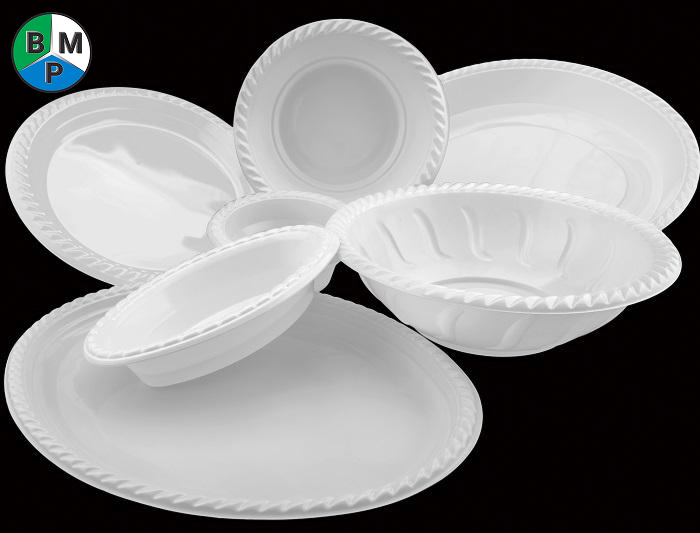 Single-use plastic packaging may pose potential cancer risks.
In addition to its potential effects on human health, the widespread use of single-use plastic packaging has contributed to the growing volume of waste in recent years. According to a survey by Vietnam’s Ministry of Natural Resources and Environment, approximately 2.5 million tonnes of plastic waste and discarded packaging are released into the environment in Vietnam annually. This places a substantial burden on the environment and creates significant challenges for waste management across the country.
These single-use plastic products are commonly made from PE, PET, and PVC resins. Once discarded into the environment, they can take a very long time to decompose, severely affecting the ecosystems in which we live, particularly marine ecosystems.
You may also be interested in: Plastic-Degrading Bacteria: A Potential Future Solution for Waste Management
Read more: The Most Common Types of Plastic Packaging Today
Solutions to the Current Situation
In response to the growing environmental concerns, the Vietnamese government has been implementing various campaigns and projects to reduce plastic waste, limit the use of single-use plastic products, and protect a clean and healthy environment.
The Prime Minister emphasized the goal of encouraging stores, markets, and supermarkets in urban areas to stop using single-use plastic products by 2021, with the nationwide elimination of single-use plastic products targeted for 2025.
At the time described in the original article, provinces and cities across Vietnam were actively implementing the Prime Minister’s campaign. Restrictions and bans had also been introduced in various locations in Vietnam and around the world.
To help reduce the use of disposable plastic products, packaging materials with enhanced degradability have emerged as an alternative to conventional packaging. These products are also made from plastic resins, but the materials are described as having a degradation rate in water and soil up to 60% higher than that of conventional alternatives. What type of packaging is this? Let’s explore it in the next section.
Read more: Environmentally Friendly Food Packaging: Materials, Trends, and How to Choose
BMP Group – An Internationally Certified Manufacturer of Laminated Plastic Packaging
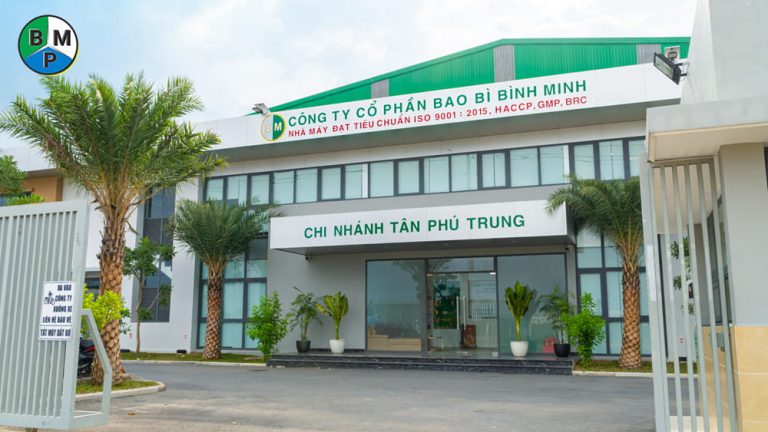
BMP Group is one of the companies currently leading the production of this type of highly degradable laminated plastic packaging.
To strengthen its position in the industry, BMP Group continuously upgrades its production lines with advanced equipment, all of which is newly imported. The machinery used includes electronically controlled multicolor gravure printing machines, inspection machines, coating machines, solvent-based and solvent-free dry lamination machines, pouch-making machines, slitting machines, and three-layer and five-layer blown film machines.
BMP Group’s packaging factory
In addition, the establishment of two new packaging factories at Tan Phu Trung Industrial Park in Cu Chi District and VSIP II Industrial Park in Binh Duong Province represents another step forward in the company’s efforts to deliver high-quality packaging products to customers.
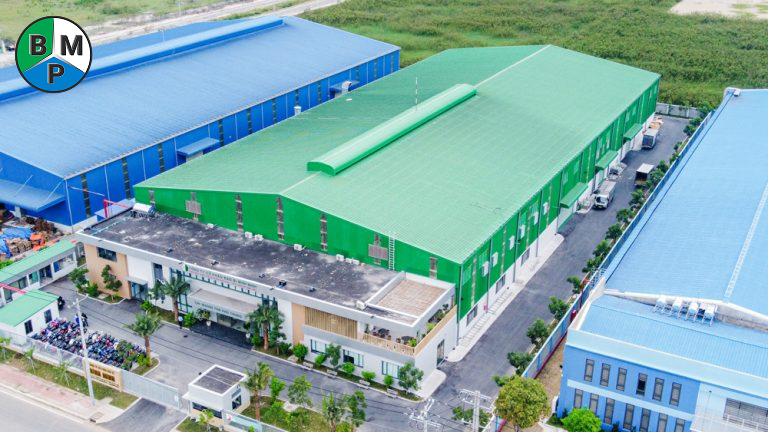
BMP Group increases production capacity with its packaging factory in Cu Chi.
Through these efforts, the company has obtained several notable international certifications:
2011: Obtained ISO 9001:2008 certification.
2014: Obtained HACCP and GMP certifications, along with food safety certification.
2017: Obtained ISO 9001:2015 certification.
2020: Obtained BRC Issue 6 certification.
The information above highlights the potential harm of single-use plastic packaging to human health and the environment. Consider reducing the use of these products and choosing alternatives where appropriate, such as natural leaves for food wrapping or packaging that can be recycled or decomposes more quickly. These choices can contribute to environmental protection and help safeguard your health.
If you have any questions about laminated plastic packaging, contact BMP Group at (028) 66.756.588 for assistance.