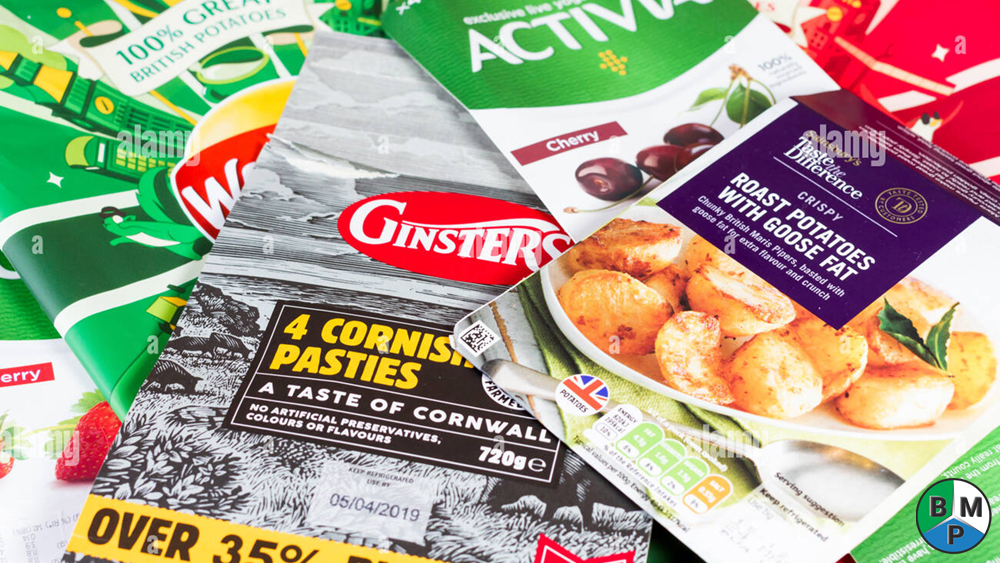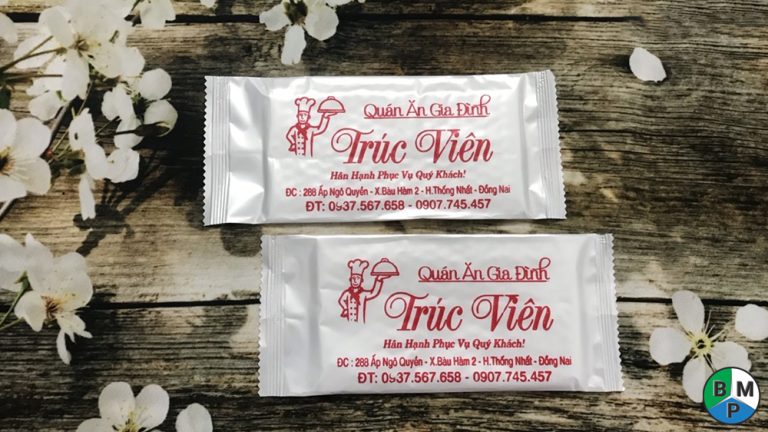


Packaging is an important part of our daily lives. We encounter it everywhere, from milk cartons in the refrigerator and plastic bags we carry when shopping to specialized packaging layers used for industrial products. To protect and preserve products, prevent environmental contamination, and ensure safe transportation, packaging must be diverse and reliable. One of the most important factors determining packaging performance is the type of film used. In this article, BMP Group will discuss the different types of films used in packaging.
What Is Packaging?
Packaging is an essential and indispensable aspect of modern industry and commerce. It is a product designed to contain, protect, and promote various other products. Created through a combination of design, manufacturing engineering, and materials science, packaging plays an extremely important role in protecting, enclosing, and presenting products. Packaging can also be classified according to various criteria, such as the number of times it can be used, compression resistance, and level of specialization.
Packaging serves several important purposes. First, it must ensure the safety of the products inside by protecting them from damage, contamination, and environmental impacts. Packaging must also be easy and convenient for consumers to use, while providing product information and usage instructions. In addition, packaging can attract attention and create brand impressions, helping products stand out in a competitive market.
Packaging is not merely a part of the manufacturing process; it is also an important factor in attracting customers and building trust. A product's success often depends significantly on its packaging design and quality, as well as its ability to adapt to market trends and strengthen brand recognition.
Common Types of Films Used in Packaging
PE Film (Polyethylene)
Today, PE has become one of the most important materials among all types of plastics. PE is classified into the following main groups:
LDPE: Low-density polyethylene, density = 0.91–0.925 g/cm³.
MDPE (LLDPE: Linear): Medium-density polyethylene, density = 0.926–0.940 g/cm³.
HDPE: High-density polyethylene, density = 0.941–0.965 g/cm³.
LDPE: This is the most important and commonly used type. It is widely used to produce thin films for bags. LDPE is easy to heat-seal and is the least expensive option. Different types of LDPE include grades with slip and anti-blocking agents. For example, when packaging products in bulk, a low coefficient of friction is required to ensure good stacking performance. In contrast, when packaging soft goods in bags, a high coefficient of friction may be needed. LDPE is soft and tough.
MDPE: This material is used to produce thin films or in applications requiring greater stiffness or a higher softening temperature than LDPE. MDPE is slightly more expensive than LDPE.
HDPE: This material is stiffer than the two types mentioned above. HDPE can withstand temperatures of up to 120°C and is therefore used in packaging designed for steam pasteurization. HDPE can also be cut into narrow strips and woven into woven bags. However, PP is more commonly used for woven bags.
PE film offers many advantages, including resistance to water, moisture, dust, and static electricity, as well as the ability to withstand high temperatures and pressure. PE film is also highly flexible and can stretch and bend to fit the shape of products. This film is manufactured from polyethylene (PE), one of the most widely used synthetic plastics in the world.
There are many types of PE films, each with different properties and applications, such as transparent PE film, colored PE film, glossy PE film, and foam PE film. Examples of packaging products made using PE film include plastic bags, ziplock bags, vacuum bags, frozen food packaging, and sterilized pharmaceutical packaging.
PP Film (Polypropylene)
PP film is a packaging material widely used across various industries, including food, pharmaceuticals, cosmetics, and electronics. PP film offers many advantages, such as high durability, good barrier properties, clarity, recyclability, and reasonable cost. It can also withstand high temperatures and can be metallized to improve its gas barrier properties.
PP film is manufactured from polypropylene (PP), the second most widely used synthetic plastic in the world after polyethylene (PE). There are two important types of PP film: CPP and BOPP.
CPP film is a non-oriented PP film with high flexibility. It is commonly used as the inner sealing layer in laminated packaging structures.
BOPP film is a biaxially oriented PP film with high stiffness. It is commonly used as the outer layer in laminated packaging structures.
Examples of packaging products made using PP film include plastic bags, ziplock bags, vacuum bags, sterilized food packaging, and sterile medical packaging. PP film is also used to manufacture shopping bags, nonwoven fabrics, agricultural nets, and swimming pool liners.
Read more: Advantages and Disadvantages of Common Flexible Packaging Materials
PS Film (Polystyrene)
PS film offers several advantages, including high stiffness, clarity, good colorability, and ease of processing. It can also be recycled and is reasonably priced.
PS is completely transparent but has low moisture and gas barrier properties. Although PS is rigid, it has poor impact resistance. Therefore, it is often blended with synthetic butadiene rubber to improve its impact strength. However, adding butadiene reduces transparency, and impact-resistant PS is usually white.
PS film is manufactured from polystyrene (PS), a common thermoplastic material worldwide. PS is formed through the polymerization of styrene, with the structural formula (̵CH[C6H5]-CH2)̵n3. PS is rigid, transparent, and odorless. When burned, it produces an unstable flame and can dissolve in organic solvents.
PS is easy to process using various packaging manufacturing methods. It can be injection molded, extruded, and thermoformed. Due to its low diffusion rate, it is not widely used for conventional packaging films. Instead, it is mainly used in the form of thermoformed trays or cups. Typical applications of PS include trays for packaging fresh vegetables and cups for packaging dairy products and other processed goods. Thin PS film is also used to package fruits and vegetables, such as tomatoes and leafy greens.
Polyester Films
Polyester films offer many advantages, including good heat resistance, printability, thermal insulation, burn resistance, and resistance to moisture and chemicals. They also have high durability, clarity, and colorability. Polyester film is considered an environmentally friendly material because it can be recycled and does not cause pollution. Polyester has high mechanical strength and can withstand temperatures of up to 300°C. Polyester film has low moisture and gas permeability and provides fairly good resistance to organic solvents. However, it has poor heat-sealing properties and is therefore commonly laminated with PE.
Polyester films are manufactured from polyester resin, particularly polyethylene terephthalate (PET), a widely used synthetic plastic. PET is formed through a chemical reaction between alcohol and acid.
There are many types of polyester films with different properties and applications, such as transparent PET film, colored PET film, glossy PET film, and foam PET film. Examples of packaging products using polyester materials include CD cases, food containers, plastic cups, and plastic trays. More recently, polyester has found an interesting application in the production of carbonated beverage bottles using polyethylene terephthalate (PET).
Polyamide (PA) Film or Nylon
PA film is manufactured from polyamide (PA), a widely used synthetic plastic. PA is formed through the condensation polymerization of identical units or the copolymerization of different units. PA contains repeating amide bonds (–CO–NH–) in its molecular structure. There are many types of PA films with different properties and applications, including PA6, PA66, PA11, and PA12 films. Producing thin PA films is technically challenging, and these films are often laminated with PA layers of different thicknesses to improve heat-sealing performance.
Some types of PA have melting points of up to 250°C. PA is also used in laminated film structures, particularly in vacuum thermoforming equipment for packaging processed sliced meat, fresh meat, and cheese. In addition, PA film is used to manufacture engine components such as gears and bearings.
You may also be interested in: Why Choose PA/PE Laminated Film for Product Packaging?
One of Vietnam's Leading Packaging Manufacturers
With more than 15 years of experience in packaging manufacturing, BMP Group has become one of Vietnam's leading manufacturers of flexible laminated packaging and paper-based packaging products.
BMP Group is among the few packaging manufacturers that continuously lead the way in improving production machinery and equipment. In particular, all our manufacturing equipment is fully imported from overseas and features advanced functions and modern technology.
Learn more: BMP's Packaging Manufacturing Capabilities: Factories, Production Lines, QC, and R&D
Furthermore, our raw materials are carefully selected and sourced from reputable suppliers around the world. Combined with the expertise of our experienced technical team, BMP Group is committed to delivering the highest quality products and services to our customers.

With three factories and a total production capacity of more than 3,600 tons per month, BMP Group is confident in its ability to meet the diverse needs of every customer. Through our continuous efforts, we are proud to have earned the trust of numerous customers and achieved many notable milestones, including:
2011: Received ISO 9001:2008 certification.
2014: Received HACCP and GMP food safety certifications.
2017: Received ISO 9001:2015 certification.
2020: Received BRC Issue 6 certification.
2021: Achieved ISO 15378 certification.
Contact BMP Group today for consultation and support with high-quality packaging that meets international standards:
Email: cdd.bmp@bmppack.com
Hotline: (028) 66.756.588