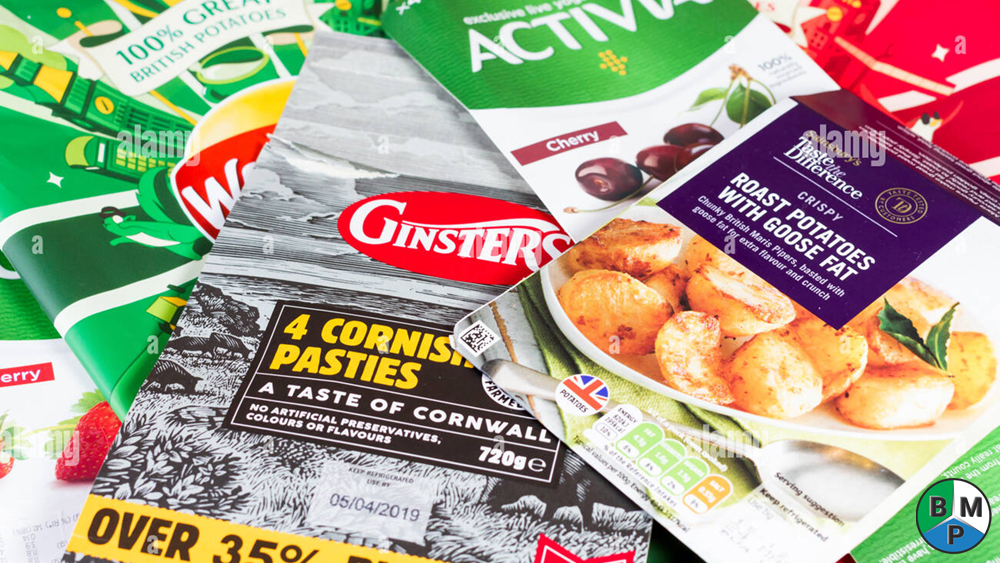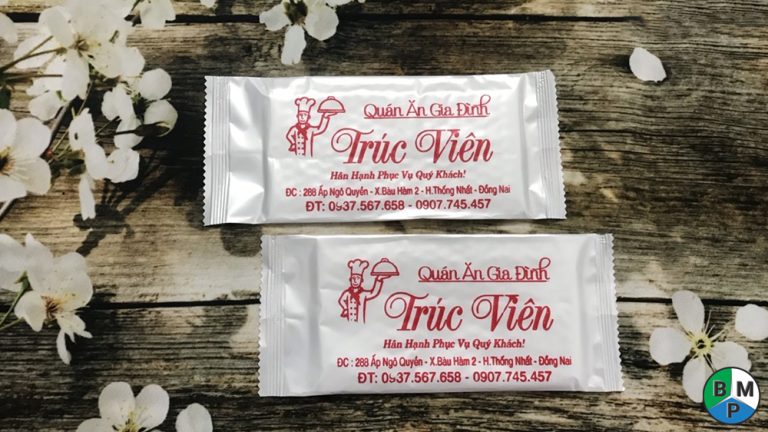


Packaging is becoming increasingly diverse, and CPP film has emerged as an innovative solution with numerous outstanding advantages. Thanks to its flexibility, durability, and wide range of applications, CPP film is gradually becoming a preferred choice for businesses across various industries. In this article, we will take a closer look at its structure, advantages, applications, and uses in packaging.
What Is CPP Film?
CPP film is cast polypropylene film, also known as non-oriented polypropylene film. It can be classified into general CPP film (GCPP), metallized CPP film (MCPP), and retort CPP film (RCPP).
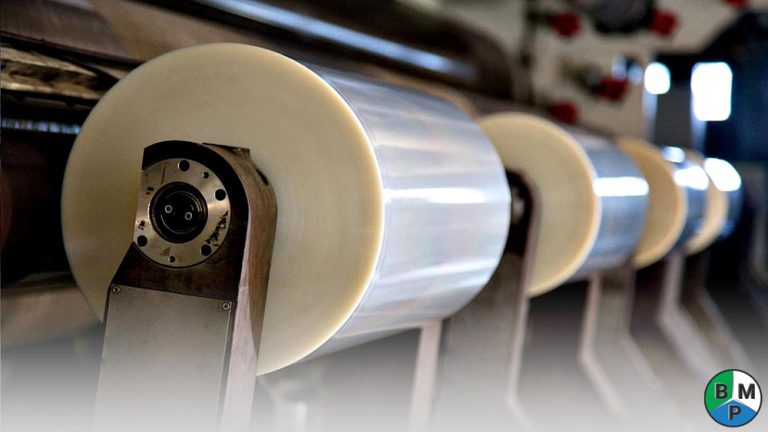
CPP is a polypropylene (PP) film manufactured through an extrusion casting process in the plastics industry. Unlike BOPP film (biaxially oriented polypropylene), CPP film is non-oriented. More precisely, it has a certain degree of orientation in the machine direction (MD), primarily due to the nature of the manufacturing process. Its excellent transparency and surface finish are achieved through rapid cooling on chilled rolls.
This process creates a molecular structure with a relatively random arrangement, giving CPP film several outstanding properties, including high transparency, good gloss, and effective moisture and water vapor barrier performance. CPP film is also known for its high strength, puncture resistance, and excellent heat-sealing performance at relatively low sealing temperatures. These properties make it an ideal choice for various packaging applications, ranging from flower packaging, stationery, and apparel to food, pharmaceutical, and medical packaging.
Typical characteristics of CPP film:
Good water and water vapor barrier properties.
Poor barrier properties against O2, N2, and CO2.
Excellent heat-sealing performance, including at low temperatures.
Melting point: 125–140°C.
Average thickness: 20–30 microns for single-layer film; 15–40 microns or 45–65 microns for laminated film.
Commonly used as a heat-sealing layer, with thickness varying according to application requirements.
High transparency and greater stiffness than LDPE and LLDPE films at the same thickness.
Compatible with various other materials, including OPP, BOPP, and PA.
Environmentally friendly.
Read more: An Overview of Films Used in Packaging
CPP Film Manufacturing Process
The CPP (Cast Polypropylene) film manufacturing process is complex and requires a high degree of precision to ensure the final product's quality and performance. Below is a general overview of the process:
Raw material preparation: The primary raw material for CPP film production is polypropylene resin. The resin is fed into a mixing system along with additives such as antioxidants, plasticizers, and antistatic agents to improve the properties of the final product.
Die preparation: The die is where the film-forming process takes place. It is carefully prepared and cleaned to ensure that the final film has a smooth surface and is free from defects.
Casting process: During this stage, the resin is fed into an extruder and heated until molten. The molten resin is then conveyed through a screw system and extruded through a casting die. The die may be configured with two or more layers to produce films with the required mechanical and physical properties.
Cooling and film cutting: After the resin is extruded through the die, it is rapidly cooled using a cooling system. Once the film has sufficiently solidified, it is cut into rolls or sheets of the desired dimensions and thickness.
Quality inspection: Each CPP film roll undergoes careful quality inspection to ensure that it meets standards for surface smoothness, thickness uniformity, and physical and chemical properties.
Packaging and transportation: Finally, the CPP film rolls are carefully packaged and prepared for delivery to manufacturers of finished products.
CPP film manufacturing requires strict process control and in-depth technical expertise to ensure that the final product meets the quality and performance requirements of a wide range of packaging applications.
What Are the Advantages of CPP Film?
CPP film, or Cast Polypropylene film, offers several advantages that make it a popular choice in the packaging industry. Some of its key benefits include:
Strength and flexibility: CPP film is made from polypropylene resin, a plastic material known for its durability and flexibility. This gives CPP film good tensile strength and impact resistance, helping protect products during transportation and use.
Heat and chemical resistance: CPP film generally offers good heat and chemical resistance, helping protect products from external environmental factors such as high temperatures, sunlight, and certain chemicals.
Design flexibility: CPP film can be manufactured in different thicknesses and dimensions to meet the specific requirements of various packaging applications. It can also be printed, converted into bags, or formed into different shapes to create diverse and attractive packaging products.
Moisture resistance and product protection: CPP film generally provides good moisture resistance, helping protect products from humidity and external contamination. This makes it a popular choice for packaging applications that require effective product preservation.
Recyclability and environmental considerations: Some types of CPP film can be recycled and reused, helping reduce environmental impact. It can also be manufactured using recycled materials, further supporting the sustainability of production and use.
These advantages make CPP film a versatile packaging solution suitable for a wide range of products.
Applications of CPP Plastic Film
CPP plastic film is widely used as a heat-sealing layer in packaging, particularly in flexible laminated packaging. Accordingly, this type of plastic film has applications across many industries.
Food Packaging
CPP plastic film is used to package various types of food, including dry, wet, frozen, hot, and products requiring retort processing or drying. Applications include instant noodles, jelly, dried fruit, seafood, confectionery, bread, milk, beverages, and many other food products.
CPP film helps extend food shelf life while preserving flavor, color, and quality, as well as supporting food hygiene and safety. Its moisture resistance and protective properties help shield food products from humidity, contamination, and exposure to external air, keeping products fresh and appealing.
You may also be interested in: What Is Retort Packaging? Features and Benefits of Retort Products
Pharmaceutical and Medical Packaging
In the pharmaceutical and medical sectors, CPP plastic film is used to package products such as medicine pouches, medical adhesive tapes, and packaging for disposable medical products. Its moisture-resistant and protective properties help maintain the safety and quality of pharmaceutical and medical products.
Consumer Goods Packaging
CPP plastic film is also widely used in consumer goods packaging, including packaging for toys, books, stationery, clothing, and electronic products. Its recyclability and design versatility make it a popular choice for consumer packaging applications while helping reduce environmental impact.
Apparel Packaging
CPP plastic film is used to package clothing, footwear, handbags, and fashion accessories. Its high transparency allows consumers to see the products inside, while protecting them from dust, moisture, mold, and other external factors.
Stationery Packaging
CPP plastic film is used to package stationery products such as document folders, photo albums, adhesive tapes, business card holders, and other composite materials. Its high strength and tear resistance, combined with its ability to support multicolor printing, enhance the appearance and convenience of stationery packaging.
Industrial Packaging
In industrial applications, BOPP plastic film is used to package products such as plastic powders and pellets, metal products, and chemicals. CPP film's tensile strength and moisture resistance help protect products during transportation and storage, supporting effective product preservation.
Learn more: What Is Flexible Plastic Packaging? Types of Plastic Packaging on the Market
A Trusted Flexible Laminated Packaging Manufacturer in Ho Chi Minh City
If you are looking for a reliable, high-quality, and professional packaging manufacturer, BMP Group is ready to support your business.
BMP Group is one of Vietnam's leading manufacturers of flexible laminated packaging and paper packaging. With more than 15 years of experience, BMP Group continuously researches and improves its manufacturing capabilities while investing in employee training and developing a professional workforce to deliver customer satisfaction.
BMP Group operates modern production lines equipped with advanced technology and certified to international quality standards, including ISO 9001:2015, HACCP–GMP, and BRC Issue 6.
We provide flexible laminated packaging and paper packaging solutions for a wide range of products and industries, including food, pharmaceuticals, medical products, consumer goods, agricultural products, fruits, and more.
With an experienced team, BMP Group can design and print customized packaging to meet customer requirements, incorporating attractive colors, images, and product information to enhance brand value.
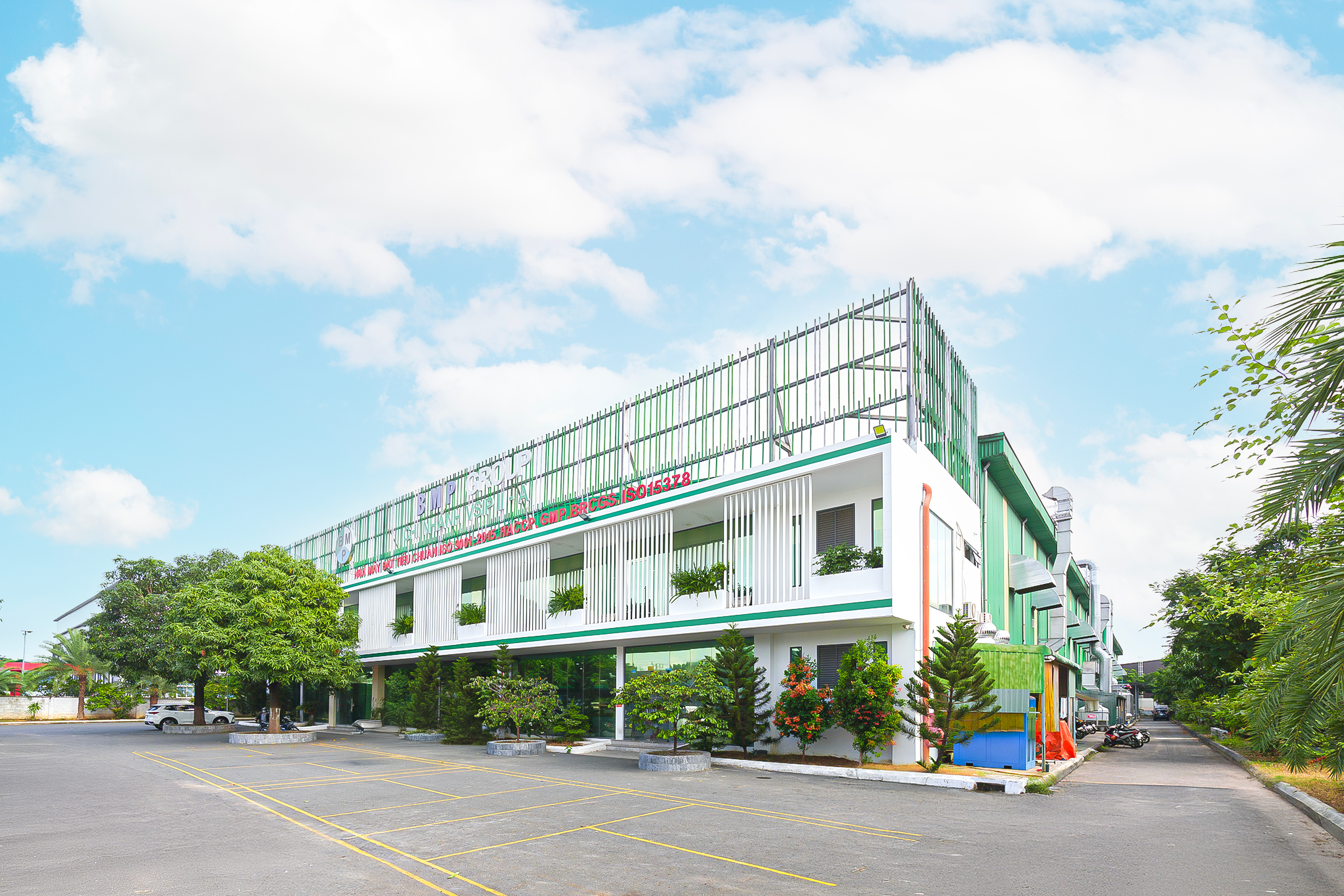
Contact BMP Group today for detailed consultation and a quotation. We are committed to delivering high-quality packaging products at competitive prices, with on-time delivery and dedicated after-sales service.
BMP Group – a reliable packaging manufacturer and a long-term partner for your business. Contact us today for more information:
Email: cdd.bmp@bmppack.com
Hotline: (028)66.756.58